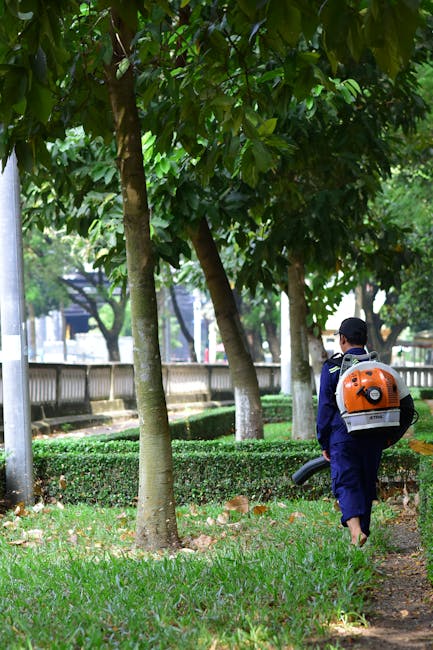
Garden maintenance for flats near Altab Ali Park Whitechapel
Living in a flat near Altab Ali Park in Whitechapel has its own rhythm. You get the buzz of East London, the foot traffic, the compact outdoor spaces, and the slightly awkward reality that a shared garden can go from pleasant to messy very quickly if nobody keeps an eye on it. Garden maintenance for flats near Altab Ali Park Whitechapel is really about more than trimming a few plants. It is about keeping communal areas safe, usable, tidy, and resilient in a busy urban setting where space is tight and expectations are often high.
Whether you are a leaseholder, resident, landlord, or part of a managing agent's team, the basics stay the same: healthy planting, clean access routes, regular mowing or trimming where needed, responsible waste removal, and a plan that fits the property rather than fighting against it. In this guide, you will find a clear breakdown of how it works, what to prioritise, where the common problems appear, and how to make sensible decisions without overcomplicating things. To be fair, most flat gardens do not need a grand redesign. They need consistency.
If you also want a broader look at routine upkeep options, the page on garden maintenance services is a useful place to start, while residents planning a larger refresh may also want to look at landscaping support or garden clearance for more intensive work.
Expert summary: Flat gardens in Whitechapel work best with regular, light-touch maintenance. A little attention every visit is usually better than letting things build up into a bigger, costlier job later.
Table of Contents
- Why Garden maintenance for flats near Altab Ali Park Whitechapel Matters
- How Garden maintenance for flats near Altab Ali Park Whitechapel Works
- Key Benefits and Practical Advantages
- Who This Is For and When It Makes Sense
- Step-by-Step Guidance
- Expert Tips for Better Results
- Common Mistakes to Avoid
- Tools, Resources and Recommendations
- Law, Compliance, Standards, or Best Practice
- Options, Methods, or Comparison Table
- Case Study or Real-World Example
- Practical Checklist
- Conclusion
- Frequently Asked Questions
Why Garden maintenance for flats near Altab Ali Park Whitechapel Matters
Flats near Altab Ali Park sit in a lively part of Whitechapel where outdoor space often pulls double duty. A garden may be somewhere to sit, somewhere children play, a route to a bin store, or simply the first thing visitors see when they enter the building. If that space slips, the whole property can feel tired. Not dramatic, just quietly neglected. And people notice.
Regular maintenance matters because shared or semi-shared gardens carry practical risks as well as visual ones. Overgrown hedges can block light and sightlines. Damp leaf build-up can make paths slippery. Untidy borders attract litter. Weak or unmanaged growth can also make a garden feel less secure, especially in ground-floor flats where privacy and visibility matter at the same time. That balance is often trickier than it sounds.
There is also the simple matter of goodwill. In a block of flats, outdoor space is shared space. When it is looked after, residents are more likely to use it responsibly. When it is ignored, the opposite happens. A bit of order encourages a bit of care. It sounds obvious, but in real life it makes a noticeable difference.
For blocks with mature planting, the need can be even greater. Shrubs, climbers, and trees do not stop growing just because the footprint is small. If you leave them too long, they can crowd entrances, limit airflow, and create a job that is more about recovery than routine upkeep. That is where steady work beats emergency tidy-ups every time.
How Garden maintenance for flats near Altab Ali Park Whitechapel Works
Good garden maintenance for flats is usually planned as a repeat service rather than a one-off fix. The exact schedule depends on the size of the outdoor area, the type of planting, how many residents use it, and how quickly things grow through the seasons. A small courtyard with pots and borders needs a different rhythm from a shared rear garden with lawn, hedging, and trees.
In practice, a maintenance visit may include lawn mowing, edging, hedge trimming, weed removal, deadheading, leaf clearance, pruning, path sweeping, and green waste collection. Some properties also need occasional pressure cleaning, plant replacement, or help with small-scale improvements. If the space is especially neglected, a first visit might be more like a reset than routine care. That is where garden clearance can be useful before regular upkeep begins.
The work is often shaped around access. Flats may have tight entry points, shared stairwells, limited storage, and nowhere ideal to keep equipment. So the most effective service is the one that arrives ready to work cleanly and leaves the space neat again. There is nothing glamorous about carrying bags of clippings through a narrow passage on a Tuesday morning, but that is the reality in many London properties.
Depending on the site, maintenance can be reactive or planned. Reactive care fixes what has already gone wrong: overgrowth, mess, damage, or complaint-driven issues. Planned care is better. It spreads the work, keeps costs more predictable, and reduces the odds of a garden turning into a headache after a few wet weeks or a holiday period when nobody has been watching it.
Key Benefits and Practical Advantages
There are obvious benefits, like a tidier garden, but the value goes further than appearance. A maintained flat garden does a lot of quiet work in the background.
- Better first impressions: Visitors, tenants, and buyers notice tidy outdoor space immediately.
- Improved safety: Clear paths, cut-back growth, and regular leaf removal reduce slip and trip hazards.
- More usable space: A well-kept garden feels bigger and more inviting, even when the footprint is modest.
- Healthier planting: Regular pruning, feeding, and weeding help plants cope with city conditions.
- Less dispute between residents: Shared expectations are easier to manage when the space is visibly cared for.
- Lower long-term cost: Ongoing upkeep usually costs less than repeated major restoration.
There is also a psychological benefit that people underestimate. A neat outdoor area makes a flat feel calmer. You open the window and see something ordered instead of a tangle of weeds and old pots. That matters more than most people admit.
For landlords and managing agents, there is a business case too. A maintained garden supports tenant satisfaction and reduces complaints about neglect. If you are comparing service scopes, it can help to review the wider services overview and think about whether the property needs maintenance alone or maintenance plus occasional landscaping improvements.
Who This Is For and When It Makes Sense
This kind of service suits a wide range of people, but the needs are slightly different depending on who is asking for it.
Leaseholders and residents
If you live in a flat with a shared garden, maintenance becomes relevant as soon as the space starts affecting everyday comfort. You might notice weeds in the paving, a lawn that has gone patchy, or shrubs blocking light to lower windows. If the building has a residents' association, regular maintenance is often one of those unglamorous jobs that keeps everyone reasonably happy. Not exciting, but crucial.
Landlords and property managers
For landlords, the garden is part of the rental experience. It can make a flat easier to let and simpler to present. For managing agents, regular care helps reduce avoidable complaints and keeps the property looking consistent across seasons. When a garden is neglected, it can quickly become a visible sign of wider management problems, even if the inside is perfectly fine.
Freeholders and block owners
Owners of small blocks or converted houses near Altab Ali Park often need a practical maintenance plan that matches the site rather than a broad, generic contract. A compact communal garden may only need light visits, while a larger rear space with mature trees may need more structured attention, especially in spring and autumn.
When it makes sense to start
The best time is before the garden becomes unruly. Spring is a common starting point because growth accelerates, but late summer and early autumn are equally sensible, especially if leaves and dead plant material are becoming a nuisance. If you are already behind, that is fine too. Start with a reset, then move to routine visits.
Step-by-Step Guidance
Here is a practical way to approach garden maintenance for flats without overthinking it.
- Assess the space honestly. Look at the garden in sections: lawn, borders, hedges, trees, paved areas, pots, fences, and access points. What is healthy, what is messy, and what is actually causing a problem?
- Decide who is responsible. In flats, ownership and maintenance duties can be split in awkward ways. Clarify whether the residents, landlord, or managing agent is arranging the work.
- Set the maintenance frequency. Fast-growing gardens may need more regular visits during the growing season. Smaller courtyards may need lighter, less frequent care.
- Prioritise safety first. Clear paths, cut back obstructive growth, remove broken branches, and deal with slippery leaf build-up.
- Handle the basics consistently. Mowing, trimming, weeding, and waste removal should happen before the garden starts looking tired.
- Review planting health. If a plant is dying repeatedly, the issue may be soil, shade, drainage, or simply the wrong plant for the space.
- Plan for seasonal jobs. Spring tidy-ups, summer growth control, autumn leaf clearance, and winter pruning all matter. Different seasons, different jobs. Simple as that.
- Schedule occasional bigger work. If a tree is too large, a hedge is encroaching, or the layout no longer suits the site, bring in specialist help rather than trying to patch it endlessly.
That sequence works well because it keeps the focus on what residents actually feel day to day. You do not need a perfect garden. You need one that is tidy, functional, and easy to live with.
Expert Tips for Better Results
A few small habits make a big difference in flat-garden maintenance. Honestly, they save time too.
- Keep a simple schedule. A monthly or seasonal plan is easier to stick to than a vague "we'll sort it soon" approach.
- Trim before things get woody. Soft growth is easier to manage than hardened, tangled stems. Leave it too long and the job gets heavier, and yes, more annoying.
- Match plants to the site. In shaded or windy urban spaces, choose hardy planting that can tolerate the conditions instead of fighting them.
- Watch drainage early. Flat gardens can suffer from compaction and poor runoff. Puddling after rain is a warning sign, not just an inconvenience.
- Use clean edges. Crisp borders and swept paths make a small garden feel cared for even when the planting is simple.
- Think in layers. Low maintenance planting, occasional seasonal flowers, and a few evergreen elements often work better than a high-maintenance display.
One useful habit is to walk the garden after heavy rain or wind. You learn a lot very quickly. A branch that looked fine in dry weather may be bent across a path, and a patch of soil that seemed harmless can turn slippery by the back door. Little checks catch the stuff that turns into complaints later.
If the space includes timber features, sleepers, or decks, it is worth keeping an eye on surface condition too. For that kind of work, the page on decking services can be relevant, especially where a flat garden includes seating areas or raised walking surfaces.
Common Mistakes to Avoid
Most garden problems near flat blocks do not start as major failures. They start as small delays and vague assumptions. You know the type.
- Leaving it too long between visits: Once growth gets out of hand, maintenance takes longer and costs more.
- Ignoring shared expectations: A garden that matters to one resident but not another can become a source of friction. Communication helps.
- Using the wrong plants: Pretty species that dislike shade, pollution, or compact soil usually underperform in urban settings.
- Skipping waste removal: Clippings and cuttings left behind make a tidy job look unfinished almost instantly.
- Over-pruning at the wrong time: A hard cut can weaken plants or remove seasonal value if done badly.
- Trying to solve structural issues with trimming alone: If drainage, edging, or access design is poor, maintenance can only do so much.
Another common issue is perfectionism. Some people wait until they can do the whole lot, properly, all at once. In the meantime the space declines. Truth be told, a decent routine beats a perfect plan that never quite happens.
Tools, Resources and Recommendations
For smaller flat gardens, the right tools are usually simple rather than specialised. You do not need a shed full of gear. You need the right basics and a sensible system for using them.
- Hand tools: secateurs, shears, hand forks, a rake, and a sturdy broom are enough for many communal spaces.
- Lawn care equipment: a reliable mower and edging tool if there is grass to maintain.
- Waste bags or bins: important for keeping the site tidy as work progresses.
- Seasonal supplies: mulch, compost, replacement plants, and plant ties where appropriate.
- PPE and safety kit: gloves, eye protection, suitable footwear, and high-visibility clothing when needed.
For many properties, the best resource is not another tool; it is a maintenance plan that spells out what gets done, when, and by whom. That avoids confusion later. If a space has become cluttered with old pots, broken furniture, or overgrown waste, a one-off reset through garden clearance can make the routine work more effective from day one.
Where shrubs, hedges, or small trees are part of the layout, specialist support can be worth it. The site's hedge trimming and tree lopping and removal pages are useful for understanding when routine care becomes more technical. That distinction matters. A hedge is not just a hedge when it is blocking windows, brushing brickwork, or leaning into a shared path.
Law, Compliance, Standards, or Best Practice
For flat gardens, the legal side is usually less about dramatic regulation and more about responsibility, safety, and sensible upkeep. If you manage a communal area, you should think about access, trip hazards, safe working practices, and proper handling of green waste. The exact duty can depend on the property structure and who controls the space, so it is wise to check the relevant ownership or management arrangements rather than guessing.
In practical terms, good best practice usually includes:
- keeping paths and access routes clear
- removing dead or unstable branches promptly
- avoiding unsafe work at height without proper equipment and competence
- disposing of garden waste responsibly
- using suitable protective equipment
- keeping records of planned visits and significant issues
Where a property includes trees, drainage issues, shared access routes, or uneven surfaces, it is sensible to treat maintenance as part of the building's safety picture, not just a cosmetic job. That is where a provider's own standards matter too. You can review related commitments such as health and safety policy, insurance and safety, and recycling and sustainability to understand the kind of operational care a professional service should take seriously.
There is also a simple common-sense standard: if the work looks risky, it probably is. A wobbling ladder, hidden rot, or an overgrown tree near a boundary is not the moment for improvisation. Better to pause and deal with it properly.
Options, Methods, or Comparison Table
Flat gardens near Altab Ali Park can be maintained in a few different ways. The right method depends on budget, frequency, and how much responsibility residents or managers want to carry themselves.
| Approach | Best for | Pros | Trade-offs |
|---|---|---|---|
| Resident-led basic upkeep | Very small gardens or courtyards | Low cost, flexible, quick for light jobs | Can become inconsistent if nobody owns the routine |
| Scheduled professional maintenance | Shared gardens and managed blocks | Reliable, neat, easier to plan, better presentation | Requires budget and coordination |
| Clearance followed by routine care | Neglected or newly acquired properties | Resets the space properly before upkeep begins | Higher initial effort |
| Maintenance plus landscaping improvements | Spaces needing layout or planting upgrades | Improves usability and long-term performance | More involved, may need staged planning |
In real life, the best option is often a mix. A neglected garden may need clearance first, then routine visits, then one or two improvements to reduce future work. That is usually more sensible than trying to fix everything in a single afternoon. Nobody enjoys a false economy.
Case Study or Real-World Example
Picture a small block of flats a short walk from Altab Ali Park. The garden behind the building is narrow, with a patch of lawn, a few shrubs, a side path, and some old planting that has become a bit chaotic. Over one damp spring, the lawn gets patchy, weeds take over the border, and leaves gather against the back wall. Nothing catastrophic. Just enough to make residents stop using the space.
The first sensible step is not to redesign the entire thing. It is to clear away debris, cut back the overgrowth, and give the space a proper reset. Once that is done, a lighter maintenance plan can keep it under control: regular mowing where needed, pruning at the right times, border weed control, and seasonal tidying after strong winds or leaf fall.
What changes most is not the size of the garden, but the feel of it. The path becomes obvious again. The back windows get more light. The smell of damp soil after rain is still there, but now it feels like a garden rather than a problem. That is the real win, frankly.
In many cases, the next sensible step after a reset is a modest improvement phase. Better edging, a few resilient plants, maybe a clearer layout. If the space needs that sort of rethink, the pages on landscape gardening and service options help frame the possibilities without overcomplicating things.
Practical Checklist
Use this checklist if you are deciding whether your flat garden needs attention now or just a better routine.
- Are paths, entrances, and shared walkways clear?
- Is the lawn, if there is one, mown at a sensible interval?
- Have hedges or shrubs started to block light or access?
- Are weeds spreading through borders, paving, or gravel?
- Is garden waste being removed after each visit?
- Do any plants look stressed, overcrowded, or poorly suited to the site?
- Is there standing water, persistent damp, or obvious drainage trouble?
- Have residents raised complaints about tidiness, safety, or privacy?
- Is the maintenance schedule realistic for the size of the garden?
- Would a one-off clearance or reset make the routine work easier?
If you ticked several of those, it is probably time to act. Not panic. Just act.
For many flats, the easiest way forward is to get a professional view and a clear quote. If you are comparing options or need to plan the next visit properly, you can review pricing and quotes or learn more about the team on the about us page before making a decision.
Get a free quote today and see how much you can save.
Conclusion
Garden maintenance for flats near Altab Ali Park Whitechapel is really about keeping a shared space useful, calm, and manageable. In a compact London setting, that means regular care, a realistic schedule, and a willingness to deal with small issues before they grow teeth. A good garden does not need to be elaborate. It just needs to feel looked after.
When the maintenance is steady, the benefits build quietly: better appearance, safer access, less friction between residents, and a space people actually want to use. That is the point, after all. Not perfection. Just a garden that earns its place in everyday life, season after season.
Frequently Asked Questions
How often should a flat garden near Altab Ali Park be maintained?
It depends on the planting, lawn area, and season, but many flat gardens benefit from regular visits throughout the growing season rather than occasional big jobs. A simple monthly or fortnightly rhythm often works better than waiting until things look rough.
What is included in garden maintenance for flats?
Typical tasks include mowing, hedge trimming, pruning, weeding, leaf clearance, edging, sweeping paths, and removing green waste. Some gardens also need plant care, border tidy-ups, or small repairs to keep the space usable.
Do shared gardens in flats need professional maintenance?
Not always, but professional support is often the easiest way to keep shared spaces consistent. If several residents are involved, or if the garden includes hedges, trees, or regular waste removal, a professional schedule usually reduces conflict and missed tasks.
What should I do if the garden is badly overgrown?
Start with a clearance or reset rather than trying to maintain it in its current state. Once the worst of the overgrowth is removed, routine maintenance becomes far more practical and less expensive over time.
Is garden maintenance different for ground-floor flats?
Yes, because ground-floor flats often rely on the garden for light, privacy, and day-to-day access. That makes hedge height, path condition, and overall tidiness more important than in some other settings.
Can garden maintenance help with pests or damp issues?
It can help indirectly. Overgrowth, blocked drainage, and accumulated waste can contribute to dampness or attract pests. Good upkeep reduces those risks, though it will not solve structural problems on its own.
What are the main mistakes flat owners make with garden upkeep?
The biggest mistakes are leaving it too long, using the wrong plants, ignoring waste removal, and failing to agree who is responsible. A garden usually falls apart slowly, not all at once.
How do I know if I need hedge trimming or tree work as well?
If hedges are blocking light, access, or visibility, trimming is probably due. If a tree is leaning, too large for the space, or showing signs of poor health, specialist tree work may be more appropriate. It is better to check early than wait for a problem.
What if the garden is mostly paving with a few planters?
That still counts as garden maintenance. Paved areas need sweeping, weed control, and occasional cleaning, while planters need deadheading, watering, feeding, and replacement planting where necessary. Small spaces can be surprisingly needy, actually.
How do I choose between maintenance and landscaping?
Choose maintenance if the garden is basically sound but untidy. Choose landscaping if the layout, planting, drainage, or usability needs improvement. Many properties benefit from both, but usually not at the same time.
Should residents or landlords pay for maintenance?
That depends on the ownership and tenancy setup of the property. In many buildings, responsibility is set out in lease or management arrangements, so the first step is to confirm who is responsible before arranging work.
What makes a good maintenance schedule for a flat garden?
A good schedule is simple, realistic, and seasonal. It should cover mowing, trimming, weeding, waste removal, and occasional bigger tasks without leaving long gaps where the garden can deteriorate. The best schedule is the one people actually follow.