Recycling and Sustainability — Garden Maintenance Whitechapel
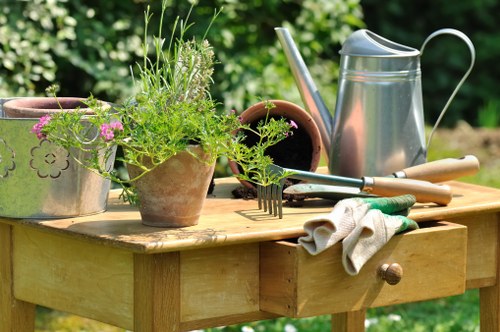 Garden Maintenance Whitechapel services are evolving to meet the needs of a greener East London. Our approach to eco-friendly waste disposal area management and a sustainable rubbish gardening area is designed around reducing landfill, increasing reuse and supporting local community initiatives. Whether you search for garden maintenance in Whitechapel or need a full-scale Whitechapel garden maintenance programme, we prioritise circular economy outcomes and measurable reductions in carbon.
We have set a clear recycling percentage target: a 70% recycling and reuse rate of all garden and landscaping materials collected from client sites by the end of 2028. This target covers green waste, timber, soils, plastics such as seed trays and plant pots, metals and any recoverable construction debris from small landscaping jobs. Our fleet of low-carbon vans — a mix of electric and low-emission hybrid vehicles — supports the goal by keeping transport emissions to a minimum and enabling frequent, small-load collection patterns that reduce local traffic impact.
 We align our operations with borough approaches to waste separation: working alongside local authority guidance in Tower Hamlets and neighbouring boroughs, our crews segregate materials on-site and follow the accepted local streams for food waste, mixed recycling and residual rubbish where applicable. Typical on-site sorting includes:
- Green garden waste for composting or mulching
- Soil and rubble separated for reuse or screening
- Plastics and pots either cleaned for recycling or returned to reuse partners
Creating an Eco-Friendly Waste Disposal Area
On every property we service, we establish a compact, clearly labelled waste area: a practical, low-footprint staging point that enables easy sorting and protects local pavements from overspill. This sustainable rubbish gardening area is equipped with lockable bins for different streams, a small composting bay for woody and leafy matter, and a chipper collection point for branches that become mulch. These measures keep waste contained and create value from what would otherwise be sent to landfill.
Working with Local Transfer Stations and Materials Recovery
We coordinate collections to nearby transfer stations and Materials Recovery Facilities (MRFs) serving East London and Tower Hamlets, ensuring materials are processed correctly. Rather than naming a single site, we partner with a network of local transfer yards and accredited processors to move materials quickly into the correct recycling streams. Where permitted, clean wood is taken to biomass processors, compostable fractions are routed to commercial composting sites, and mixed recyclables go to regional MRFs for sorting and baling.Partnerships with charities and community projects are central to our reuse strategy. We work closely with local social enterprises, community gardens and allotment associations to redirect reusable soil, pots and functioning garden furniture. Items that can be repurposed are donated to charities, while seeds, surplus plants and potted herbs are often reallocated to community green spaces. These collaborations reduce waste volumes and strengthen local resilience.
To make those partnerships effective we operate a transparent logistics model: scheduled runs with low-carbon vans, tightly planned routes and digital tracking of tonnes diverted from landfill. Our sustainable rubbish gardening area protocols include debris sorting, contamination checks and a commitment to report recycling performance to clients. For each site we maintain a simple waste log that shows the percentage diverted, the destination facility and the charity partner (where donation occurs).
 Operational practices include practical recycling activities relevant to the area: chipping and mulching of prunings to be reused as landscape bark, composting of leaves and green cuttings for reuse on local allotments, and segregation of inert soils for screening and return to construction or planting use. We also collect and bag invasive species separately so they can be processed in line with borough biosecurity guidance rather than spread into compost streams.
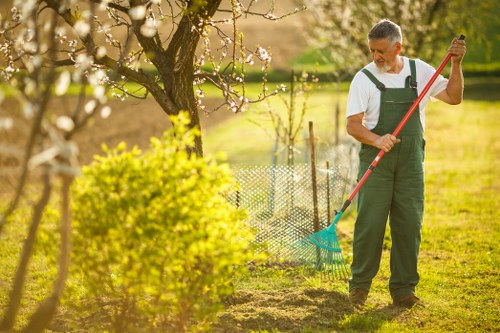 Our sustainability commitments for garden maintenance in Whitechapel are measurable and public: a long-term aspiration to improve the diversion rate year-on-year, with the immediate 70% target for recycling and reuse complemented by an annual review of emissions from our fleet and material transport. We encourage clients to choose eco-friendly options in landscaping choices, offer plant pot take-back and reuse schemes, and support community reuse events where tools and surplus materials are redistributed to local projects. By choosing our Whitechapel garden maintenance services, you help build a circular local economy, reduce carbon emissions and support charity partners who turn surplus resources into community benefit.
Summary of actions: on-site segregation, collaboration with transfer stations and MRFs, charity partnerships, low-emission transport and a clear recycling percentage target. These elements together create an effective, sustainable approach to garden upkeep and make the eco-friendly waste disposal area a practical reality for households and businesses across Whitechapel and the surrounding boroughs.