Real cost of hiring gardeners for pruning in Whitechapel
If you are trying to work out the real cost of hiring gardeners for pruning in Whitechapel, you are probably doing the same thing most people do: staring at a tree, hedge, or overgrown border and wondering whether the quote is fair, what is actually included, and why one gardener seems far cheaper than another. Fair question. Pruning looks simple from the outside, but once ladders, waste removal, access issues, and plant health enter the picture, the price can move around quite a bit.
This guide breaks down the practical side of pruning costs in plain English. You will learn what affects the final bill, how to compare quotes, when pruning is worth paying for, and where people often get caught out. Along the way, we will also touch on local realities in Whitechapel, because tight access, shared boundaries, and busy streets can change the job more than people expect.
For readers who want broader garden upkeep beyond pruning, it can help to look at garden maintenance services and the wider services overview before deciding what to book. Sometimes the cheapest pruning quote is not the best value if the garden needs a bit more than a quick trim. Truth be told, that happens a lot.
Contents
- Why real pruning costs matter in Whitechapel
- How pruning jobs are priced and delivered
- Key benefits and practical advantages
- Who this is for and when it makes sense
- Step-by-step guidance
- Expert tips for better results
- Common mistakes to avoid
- Tools, resources and recommendations
- Law, compliance, standards and best practice
- Options, methods and comparison table
- Case study or real-world example
- Practical checklist
- Conclusion
- Frequently asked questions
Why real pruning costs matter in Whitechapel
The real cost of hiring gardeners for pruning in Whitechapel is not just about the hourly rate. It is the full picture: skill level, time on site, how awkward the job is, disposal of cuttings, and whether the work is regular maintenance or a one-off rescue mission. That is the bit many people miss. A quick tidy of a small shrub border is a very different job from reducing a dense hedge that has not been touched for a year or two.
In Whitechapel, the setting matters as well. Urban gardens often come with narrow access, rear entry through the property, shared walls, balconies, awkward side passages, and limited parking. All of that can add time. If a team has to carry waste through the house or work carefully around neighbours, the job becomes slower and more delicate. You will notice the difference in the quote, even if the pruning itself sounds similar on paper.
Cost matters for another reason too: the wrong cut can damage a plant for a whole season or longer. A skilled gardener does not just "hack it back". They shape growth, preserve flowering potential where possible, and avoid stress that can lead to disease or dieback. That is why pruning is one of those jobs where experience really does show up in the result.
Expert summary: The cheapest pruning quote is only cheap if the result is healthy, neat, and properly cleared away. Once you add access, waste, and plant care into the equation, the true value becomes much clearer.
How real pruning costs in Whitechapel works
Most pruning jobs are priced using one of three approaches: hourly charging, half-day or day rates, or a fixed quote after a visit or photos. Each method has pros and cons. Hourly pricing is flexible, but if the job is not well defined, it can feel a bit open-ended. Fixed quotes are easier to budget for, but they rely on a clear understanding of the site and the scope.
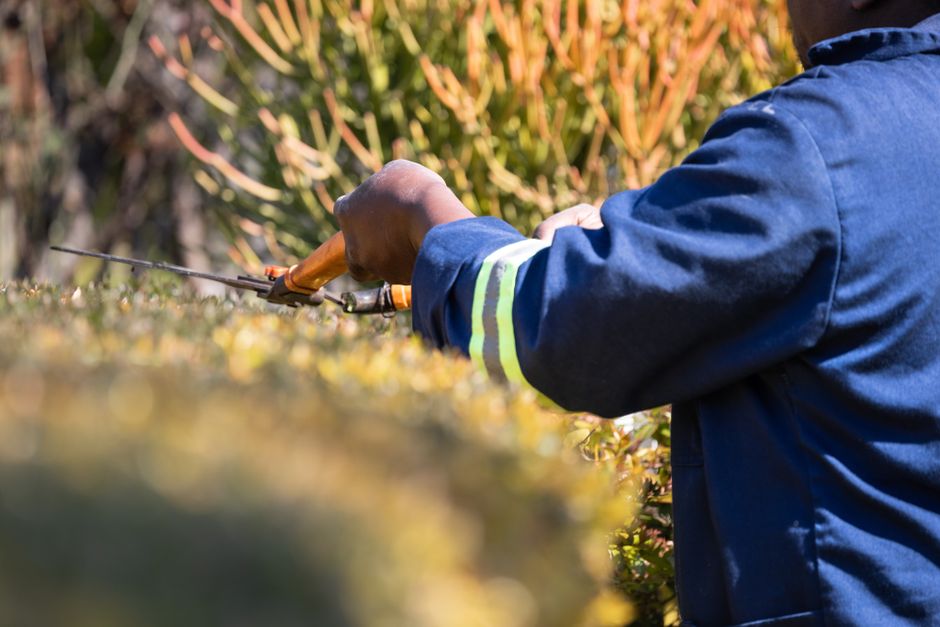
The best way to think about it is this: a gardener is not just selling time. They are selling judgement, tools, labour, safety, and waste handling. A gardener who arrives with proper pruning tools, secateurs, loppers, saws, ladders, and the know-how to use them safely is providing more than a man-with-a-van style quick fix. That distinction matters, especially for trees, mature hedges, and anything growing near windows, fences, or power lines.
Typical cost drivers include:
- Plant type: hedges, roses, climbers, fruit trees, shrubs, and small trees all require different care.
- Volume of growth: light shaping is faster than heavy reduction.
- Access: tight alleys, rear gardens, and upper-level work increase labour time.
- Waste removal: some quotes include clearing cuttings; others do not.
- Risk level: height, awkward branches, and fragile structures call for more caution.
- Season and timing: urgent or peak-season bookings can cost more.
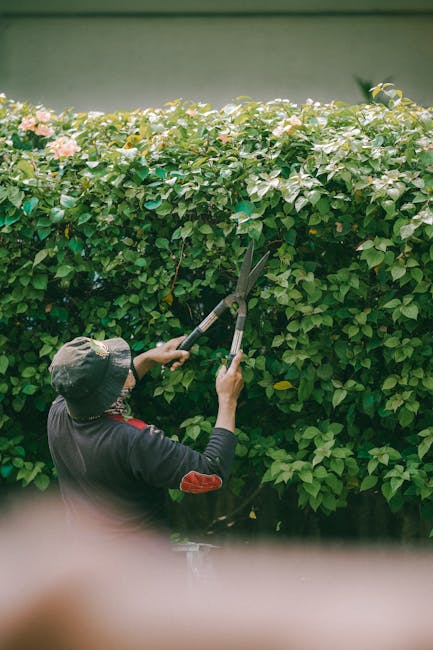
It is also worth separating pruning from related jobs. A hedge that just needs tidying is one thing. A hedge that needs reshaping, height reduction, and clearing away afterwards is closer to a full hedge trimming job. Likewise, when overgrowth has been ignored for too long, you may be looking at a broader clean-up with garden clearance rather than pruning alone. Slight difference, big impact on price.
Key benefits and practical advantages
When pruning is done properly, the value is not always obvious on day one. The garden just looks cleaner, tidier, less wild. But over the following weeks and months, the benefits become easier to see. New growth comes through more evenly, plants are less likely to flop into paths, and the garden feels like it belongs to the property again.
Here are the main advantages people usually notice:
- Healthier plants: dead, damaged, or crossing growth is removed before it causes problems.
- Better shape and structure: plants look balanced rather than shaved into an unnatural block.
- More light and space: especially useful in compact Whitechapel gardens where every bit of daylight matters.
- Safer access: trimming back growth from paths, gates, and entrances reduces trips and snags.
- Lower maintenance later: regular pruning often prevents bigger, pricier work later on.
- Improved kerb appeal: a neat front garden or boundary hedge gives a much better first impression.
There is also a quieter benefit people talk about after the work is done: the garden becomes easier to use. A clear path, a better view from the kitchen window, the smell of fresh cut foliage on a mild afternoon, a little more breathing room. Small things, but they matter.
If your garden needs broader care rather than a one-off prune, it is worth comparing that with lawn mowing services or an ongoing maintenance visit. Sometimes the best saving is bundling jobs sensibly instead of calling people out twice.
Who this is for and when it makes sense
Pruning services make sense for a lot of people, not just homeowners with large gardens. In Whitechapel, the usual customers are busy residents, landlords, managing agents, small businesses with planted frontage, and anyone who has let growth get away from them during a hectic season.
You probably need a pruning quote if:
- branches are blocking windows, walkways, or light
- hedges are growing unevenly or too wide for the space
- shrubs are crossing into neighbouring boundaries
- fruit trees need shaping for healthier growth
- dead or weak branches are showing after windy weather
- plants are starting to overwhelm a small courtyard
- the garden looks tidy at the edges but cluttered in the middle
For landlords, regular pruning is often about keeping the property presentable and avoiding complaints. For homeowners, it is often about reclaiming usable space. For older gardens, or gardens that have been left a bit too long, a pruning job can also reveal hidden issues like rotten stems, pest damage, or root stress. Not ideal, but better found early.
If a tree is part of the problem, and not just a hedge or shrub, a more specialised approach may be needed. In that case, the scope can move towards tree lopping and removal, which is a different category altogether and should be treated carefully.
Step-by-step guidance
If you want to understand what you are paying for, it helps to follow the job from the first enquiry to the final tidy-up. Here is the usual flow.
- Describe the garden clearly. Mention the plant type, rough size, access issues, and whether waste removal is needed.
- Share photos if possible. A few good pictures save a lot of guesswork. Wide shot, close-up, and one showing access.
- Request a written estimate. Ask whether the price is hourly or fixed, and what is included.
- Check the pruning approach. A good gardener should explain whether they are shaping, reducing, thinning, or removing dead growth.
- Confirm waste handling. Ask where the cuttings go and whether the quote includes disposal.
- Agree the timing. For busy streets or restricted access, a clear start window helps.
- Prepare the space. Move furniture, pots, bikes, and anything fragile out of the way.
- Inspect the result before they leave. Check that the shape, height, and clean-up match what you agreed.
A simple example: a small front hedge with easy access may only need a short visit and some tidy-up. But a rear courtyard with climbing plants, a tired laurel, and no direct access can take much longer than people expect. Same "pruning" label, very different labour.
If you want a broader sense of how a provider structures work and pricing, the pricing and quotes page is a useful place to look before you make a decision. It is often the detail that saves awkward surprises later.
Expert tips for better results
To be fair, a lot of pruning jobs go smoothly when the client gives good information and the gardener uses a sensible method. Here are the small things that make a surprisingly big difference.
- Book before everything gets overgrown. Light pruning is nearly always cheaper than rescue work.
- Be specific about what you want kept. Some plants do not forgive guesswork.
- Ask about the season. The best time to prune depends on the plant type, flowering habit, and the result you want.
- Keep access clear. Even a ten-minute delay moving bins, furniture, or plant pots adds up.
- Ask how the cut will affect future growth. A good gardener should be able to explain this in plain language.
- Plan for the tidy-up. A garden can look half-done if clippings are left in piles for "later".
One practical tip that saves stress: take before photos of the exact areas to be pruned. Not because anyone expects drama, just because it helps everyone stay aligned on what "a light shape" actually means. It sounds fussy. It really is not.
And yes, if you are comparing quotes, ask whether the work includes other upkeep tasks that might be added efficiently on the same visit. That is often where value improves. For some properties, combining pruning with lawn mowing or general tidying gives a much better overall finish.
Common mistakes to avoid
People usually overpay for pruning in one of three ways: they under-specify the job, they ignore waste removal, or they choose the lowest quote without checking what the quote actually covers. Happens all the time, and it is frustrating when you realise it after the fact.
- Assuming every gardener prunes the same way: some will shape gently, others will cut hard. Those are not the same service.
- Not asking about waste: green waste can be bulky, and removal has a cost.
- Failing to mention access restrictions: a front garden with parking is not the same as a basement courtyard with one narrow route in.
- Leaving the job until it becomes a clearance task: the price usually jumps once growth becomes tangled and woody.
- Choosing by price alone: the cheapest quote can become expensive if the result is poor or the plant is damaged.
- Ignoring seasonal timing: pruning at the wrong time can reduce flowers, fruit, or plant vigour.
Another mistake is not asking whether the gardener is insured and working safely. If tools, ladders, or larger branches are involved, this is not a minor detail. A sensible provider should be able to talk calmly about risk control, PPE, and general site safety. No grand speech needed, just competence.
Tools, resources and recommendations
A good pruning service relies on proper kit. You do not need to supply any of it, but knowing what is typically used helps you judge whether the job is being approached professionally.
- Secateurs: for small stems and precise cuts.
- Loppers: for thicker twigs and awkward growth.
- Pruning saws: for larger woody branches.
- Long-reach tools: useful for taller shrubs and limited-access spots.
- Ladders or access equipment: only where appropriate and safe.
- Protective gloves and eye protection: basic but important.
- Waste bags, tarps, or tubs: help keep the site tidy as the work progresses.
Beyond tools, there are a few useful things to keep in mind when choosing a provider:
- ask for clear pricing and a written scope
- check that the team can explain what will be cut and why
- confirm how cuttings will be removed or recycled
- look for a service that understands both plant care and tidy presentation
For people who care about how waste is handled, it is also worth looking at recycling and sustainability practices. Green waste does not vanish by magic, sadly. Responsible disposal and reuse are part of good garden work.
Law, compliance, standards and best practice
Pruning work is not usually heavy on formal paperwork, but there are still sensible standards to follow. In the UK, the practical expectation is that garden work should be carried out safely, with proper care for people, property, and plants. That means safe use of tools, appropriate insurance, and sensible handling of waste. It also means respecting boundaries and not cutting overhanging growth without understanding who owns what. That part can get messy if people guess instead of checking.
There are a few best-practice points worth keeping in mind:
- Health and safety: any work involving ladders, sharp tools, or overhead branches should be handled carefully and by someone who understands the risks.
- Insurance: if a contractor is working at height or around property, adequate insurance is a basic expectation.
- Neighbour relations: in built-up streets, warning neighbours about noise, access, or temporary obstruction is often just good manners.
- Waste handling: clippings should be disposed of responsibly and in line with the service agreed.
- Property boundaries: pruning near shared lines should be approached with care and clarity.
If you want reassurance on professional standards, check whether the business explains its approach to health and safety and insurance and safety. A trustworthy provider should not be vague about either.
Options, methods and comparison table
Not every pruning job needs the same level of service. Sometimes you need a light tidy. Sometimes you need detailed shaping. Sometimes you need a full reset. Here is a simple comparison to help you think it through.
| Option | Best for | What it usually includes | Cost feel |
|---|---|---|---|
| Light pruning | Small shrubs, young plants, minor shaping | Selective cutting, basic tidy-up, quick waste collection | Lower |
| Hedge trimming | Boundary hedges, formal shapes, routine upkeep | Even shaping, height control, clean finish | Moderate |
| Heavy pruning | Overgrown shrubs, mature plants, corrective work | More labour, careful reduction, possible staged cutting | Moderate to higher |
| Tree-related pruning or reduction | Small trees, large limbs, safety concerns | Specialist cutting, careful access, higher risk management | Higher |
| Full garden clearance | Severely neglected spaces | Removal of dense growth, debris, and bulky waste | Highest |
The table is a guide, not a promise. A small but awkward job can cost more than a bigger but open-access one. That is one of those annoyingly practical truths. For example, a neat hedge on a straightforward front plot may be quicker than a tiny back courtyard packed with pots, bins, and tangled climbers.
Case study or real-world example
Here is a realistic Whitechapel-style scenario. A resident has a compact rear garden with three shrubs, a climbing plant against the fence, and a hedge that has started leaning into the path. The garden is not huge, but access is through the flat and then down a narrow passage. There is no driveway, and all waste has to be carried out by hand.
A gardener looks at the photos and explains that the work will take longer than it first appears because of the access, the amount of cuttings, and the need to avoid damaging the fence and paving. The quote is not just for "pruning"; it covers shaping, clearing, bagging, and disposal. A cheaper quote from elsewhere might only have covered the cutting part, which would have left the resident with a pile of branches to deal with later. Not exactly a bargain, is it?
After the work is done, the garden feels larger. The path is usable again, the hedge sits neatly back from the edge, and the light gets through the back windows in the late afternoon. The resident decides to book regular maintenance rather than waiting another year. That choice usually saves money over time, because keeping growth manageable is easier than dragging it back from the brink.
For situations like this, pairing pruning with ongoing garden maintenance often works better than repeated one-off emergency visits. The garden stays calmer. So does the budget.
Practical checklist
Use this before you request quotes or confirm a booking. It keeps the conversation focused and helps you compare like with like.
- Identify the plants that need pruning
- Take clear photos from a few angles
- Note access issues, stairs, gates, or narrow passages
- Decide whether waste removal is required
- Ask whether the quote is hourly or fixed
- Confirm what "pruning" means in this job
- Ask about timing and any seasonal concerns
- Check whether insurance and safety practices are in place
- Clarify whether the work includes clean-up and bagging
- Keep fragile items, furniture, and pots out of the work area
- Compare value, not just the headline price
If you are also weighing up a broader outdoor refresh, it may help to review related services such as landscape gardening or landscaping. Sometimes pruning is the first step, not the last.
Conclusion
The real cost of hiring gardeners for pruning in Whitechapel comes down to more than time on site. It reflects access, plant type, waste disposal, safety, and the level of skill needed to get the cut right. If you compare quotes properly, ask what is included, and match the job to the right type of service, you stand a far better chance of getting good value and a healthier garden.
That is the simple truth: pruning done well is not just cosmetic. It protects plants, keeps spaces usable, and prevents small issues becoming expensive ones later. And in a busy part of London, a tidy, manageable garden can feel like a real bit of breathing space.
Get a free quote today and see how much you can save.
Frequently Asked Questions
How much does it usually cost to hire gardeners for pruning in Whitechapel?
The price depends on plant type, access, waste removal, and how much cutting is needed. A simple job is usually cheaper than heavy reduction or awkward access work. The most reliable way to know the cost is to ask for a written quote based on photos or a site visit.
Why do pruning quotes vary so much?
Because not all pruning is the same. A small shrub trim in a front garden is very different from cutting back overgrown hedges in a tight rear courtyard. Labour, time, and disposal all affect the final figure.
Is pruning cheaper than hedge trimming?
Sometimes yes, sometimes no. Light pruning can be cheaper, but a large hedge that needs careful shaping, height reduction, or waste removal can cost more than a smaller pruning job. The job description matters more than the label.
Should waste removal be included in the price?
Ideally, yes, if you want an all-in price. Some gardeners quote separately for waste removal, so always ask. Leaving this unclear is one of the easiest ways to end up with a surprise.
Do I need a regular pruning service or a one-off visit?
If your garden grows quickly or looks messy after only a few months, regular maintenance is often better value. A one-off visit can work if the garden just needs a reset or seasonal tidy-up.
What is the difference between pruning and cutting back?
Pruning is usually more selective and focused on plant health, shape, and future growth. Cutting back can be more severe and is often used when growth has become excessive or untidy. A good gardener should explain which approach is suitable.
Will pruning damage my plants?
Bad pruning can, yes. Good pruning should improve the plant's structure and health. That is why experience matters, especially with mature shrubs, climbers, and trees.
When is the best time to book pruning work?
That depends on the plant. Some species are best pruned after flowering, some in winter, and some at other times. If in doubt, ask the gardener to explain the timing for your specific plants rather than guessing.
Can pruning be done in a small courtyard or balcony garden?
Yes, absolutely. Small spaces often need careful, regular pruning even more than larger gardens. The only difference is that access, mess, and disposal need a bit more planning.
How do I know if a quote is fair?
Compare what is included, not just the headline number. A fair quote should mention the scope of work, access assumptions, waste handling, and any safety considerations. Cheap is only cheap if it does the job properly.
Do gardeners need insurance for pruning work?
They should, yes, especially if ladders, sharp tools, or higher branches are involved. It is sensible to ask about insurance and safety before confirming the booking.
What if my garden needs more than pruning?
If growth is dense, neglected, or mixed with general clutter, you may need a broader service such as garden clearance or full maintenance. A good provider will help you decide what is practical instead of selling you the most expensive option straight away.
For more context on who is behind the service and how work is handled, you can also review the about us page and, if you are ready to speak with someone, the contact page. Sometimes a short conversation clears up more than a long list of assumptions.
And really, that is the point. A good pruning job should leave the garden lighter, healthier, and easier to live with. Not overcomplicated. Just properly done, with a bit of care.