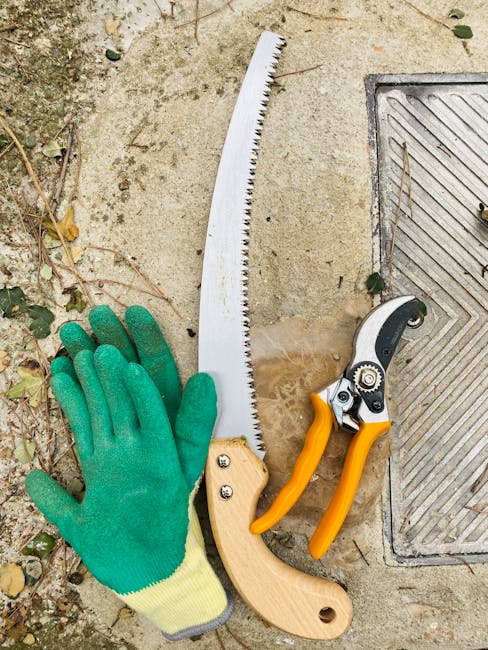
Same day gardeners Whitechapel delays and how to avoid them
If you have ever booked a same-day garden visit and then watched the clock creep past lunch with no knock at the door, you will know how frustrating it feels. In Whitechapel, where streets can be busy, access can be awkward, and gardens are often tucked behind terraces or blocks, delays happen for very ordinary reasons. The good news is that most of them can be avoided with a bit of planning, clear communication, and the right expectations from the start.
This guide explains same day gardeners Whitechapel delays and how to avoid them in plain English. We will look at why appointments slip, what makes same-day jobs different from regular bookings, and the practical steps that help the day run smoothly. If you want a faster response for routine work, you can also explore the wider services overview or book more structured work through garden maintenance and related services such as lawn mowing, hedge trimming, or garden clearance.
Truth be told, same-day gardening is less about magic and more about coordination. The better the information on both sides, the less likely you are to end up waiting with the kettle on and the job still not started.
Table of Contents
- Why Same day gardeners Whitechapel delays and how to avoid them Matters
- How Same day gardeners Whitechapel delays and how to avoid them Works
- Key Benefits and Practical Advantages
- Who This Is For and When It Makes Sense
- Step-by-Step Guidance
- Expert Tips for Better Results
- Common Mistakes to Avoid
- Tools, Resources and Recommendations
- Law, Compliance, Standards, or Best Practice
- Options, Methods, or Comparison Table
- Case Study or Real-World Example
- Practical Checklist
- Conclusion
- Frequently Asked Questions
Why Same day gardeners Whitechapel delays and how to avoid them Matters
Same-day gardening is usually requested when something has become urgent. A front garden has got out of hand before guests arrive. A hedge is blocking light or access. A landlord needs a property tidied between tenancies. Maybe a storm has scattered branches everywhere, and the place just looks messy and unsafe. In those moments, a delay is not a small inconvenience. It can mess up your day, your schedule, and sometimes even a property handover.
In a place like Whitechapel, timing matters even more because access can be tight and parking is never exactly generous. A gardener who arrives without the right job details may spend the first twenty minutes finding a space, carrying tools from far away, or discovering that the front gate is locked and nobody has the key. That is how simple jobs drift off schedule.
Delays also affect the quality of the visit. If a team is rushing to recover lost time, they may have less room to do careful finishing, check debris properly, or talk through the next step. For customers, that can mean a frustrating half-complete result. For gardeners, it can mean a day that feels like a scramble. Nobody wins, really.
The point here is not to panic about same-day bookings. It is to understand that they work best when everyone treats them as a coordinated service, not a vague promise. When you know what can slow things down, you can remove a surprising amount of friction before it starts.
Expert summary: Most same-day delays are not caused by a lack of effort. They usually come from poor timing, incomplete job details, access problems, or unrealistic expectations about what can be done in one visit.
How Same day gardeners Whitechapel delays and how to avoid them Works
Same-day gardening usually runs on a fast triage model. The provider gets your request, checks the job type, estimates how long it might take, and decides whether a team can fit it in that day. If it is a simple task like mowing a small lawn or trimming a short hedge, it may be possible to slot in quickly. If it is a larger clearance or involves awkward access, the timing gets more complicated.
The delay risk starts at the first exchange. If you say "the garden needs sorting" but do not mention size, access, waste volume, or whether the work includes cutting back overgrowth, the team has to guess. And guessing on a same-day job is how jobs go sideways. A better brief means a better schedule.
Whitechapel itself also affects the process. A garden behind a terraced property may look tiny from the street but take far longer than expected because everything has to be carried through narrow side access. Flats and shared spaces can also bring extra steps: entry codes, lift use, neighbour coordination, or restrictions on loading and unloading. These are ordinary, day-to-day issues, but on a same-day job they matter a lot.
To avoid delays, the ideal setup is simple:
- clear description of the work needed
- photos that show the full space, not just the tidy corner
- access details for gates, side passages, and parking
- any known hazards, such as broken paving, slippery patches, or low branches
- a realistic idea of what must be completed today versus what can wait
If you are arranging broader outdoor work rather than a one-off urgent visit, it can help to look at landscaping or landscape gardening so the work can be planned properly rather than squeezed into a rushed time slot.
Key Benefits and Practical Advantages
When same-day gardening is arranged properly, it offers a few real advantages. First, it brings speed. That is the obvious one, but it matters. Sometimes you do not need a perfect long-term plan; you need the space usable again today. A tidy patio, a cut lawn, or a cleared path can make the whole property feel calmer.
Second, it reduces stress. If you are hosting, letting a property, preparing for an inspection, or just fed up with a mess that has grown for weeks, getting it sorted quickly can take a lot off your mind. You stop staring at the weeds. You stop thinking, "I really should sort that." The mental load eases up.
Third, it can prevent the problem getting worse. Overgrown hedges, fallen debris, and neglected grass do not politely stay the same. They get heavier, messier, and sometimes more awkward to deal with. Acting quickly can save time later. There is a practical logic to it, not just convenience.
Here are the main benefits in a nutshell:
- faster response for urgent jobs
- less disruption to tenants, guests, or neighbours
- better presentation of the property
- reduced risk from clutter, trip hazards, or blocked access
- more efficient use of seasonal windows, especially before weather turns
There is another subtle benefit too: when you book the right type of service, the work is usually more predictable. For example, a targeted task like lawn mowing or hedge trimming can often be planned more accurately than a vague "general tidy-up". Precision helps everyone.
Who This Is For and When It Makes Sense
Same-day garden help is not for every situation. To be fair, some jobs are better booked in advance. But there are plenty of cases where a quick response makes good sense.
You are probably the right person for same-day help if:
- you need the garden presentable for visitors or an event
- you are a landlord or agent preparing a property for viewings
- you are moving out and want the outside space tidied before handover
- you have had a storm, heavy leaf fall, or unexpected debris
- you need paths, entrances, or shared areas cleared quickly
- you have let routine maintenance slip and now need a reset
It also makes sense if you are dealing with a job that is clearly bounded. That means you know what the outcome should look like. For example: cut front lawn, trim back the hedge edge, remove light green waste. That sort of job can be handled far more efficiently than a loosely defined "can you do everything?".
If the work is more substantial, such as major overgrowth, heavy waste, or structural garden changes, a same-day call may still be useful, but only as an assessment step. In those cases, services like garden clearance or longer-term garden maintenance may be a better fit.
And if the work involves trees or larger woody growth, do not assume it is just another quick trimming job. Something more involved may need specialist attention through tree lopping and removal. That is one of those areas where underestimating the task can create the biggest delay of all.
Step-by-Step Guidance
If you want to reduce delay risk, use a simple process. Nothing fancy. Just a clean handover of information.
1. Describe the job clearly
Start with the exact task, not a broad wish list. Say whether you need mowing, hedge trimming, clearance, pruning, or a general tidy. If there is a deadline, mention it. "Needs doing today before 4pm" is far more helpful than "as soon as possible", though both are understandable.
2. Share photos from different angles
Photos save an enormous amount of time. One close-up and one wide shot are useful, but ideally you should show the whole area. Include entrances, side access, steps, waste piles, and any awkward spots. A tiny corner can hide a lot. Gardens do that. They always look manageable until you stand in them.
3. Explain access and parking
Let the gardener know if they can park nearby, whether there is a permit issue, and how they get into the property. If a keyholder needs to be present, say so. If the route to the garden passes through the house or a shared corridor, mention that too.
4. Decide what must happen today
Same-day work often goes smoother if the goal is realistic. Maybe the priority is to make the garden safe and neat today, with deeper work later. That is not a compromise. It is smart scheduling.
5. Confirm waste handling and disposal expectations
If there is a lot of green waste, discuss how it will be managed. Garden jobs can stall when removal is not planned properly, especially where bags, bin access, or transport space are limited. If the result matters and speed matters, say both out loud.
6. Keep your phone close
Simple, but important. Delays often happen when a question needs a quick answer and nobody is available. If a gardener is trying to confirm access or clarify the scope, a short delay in response can knock the whole timetable off.
7. Be flexible on the finish line
Sometimes a same-day appointment is best treated as a first response rather than a perfect final finish. That flexibility can be the difference between "done today" and "not today, sorry".
Expert Tips for Better Results
There are a few practical habits that make a surprising difference. Some are small. Some are almost boring. But they work.
Book earlier in the day if you can. Same-day slots disappear quickly, and mornings are often easier to coordinate than late afternoons. By mid-afternoon, one small delay tends to spread into the next one.
Keep the job list short. A focused visit is more likely to run on time. If you need a full reset, ask for that separately rather than trying to cram every outdoor issue into one urgent appointment.
Trim the "prep work" yourself only if it is safe and sensible. Moving toys, clearing a patio chair, unlocking gates, and putting the dog indoors all save time. But leave the tricky cutting, lifting, and climbing to the professionals. Common sense, really.
Be honest about the volume of waste. One bag is very different from ten. Understating waste is one of the fastest ways to create a delay, because removal takes time and space.
Ask how the team plans to stage the work. A good team will often split jobs into preparation, cutting, clearing, and finishing. That structure keeps the visit tidy and stops the clock from running away.
Check whether the job is likely to need specialist equipment. Thick hedge growth, stubborn roots, heavy branches, and very overgrown areas may need more than hand tools. If that is likely, say so before arrival.
One small human thing that helps: leave a note, not a novel. A short, clear message by the gate or in a text can prevent the classic "where exactly do I start?" moment. Been there, seen that, and it is rarely pretty.
Common Mistakes to Avoid
The biggest mistakes are usually simple, which is annoying but true.
- Being vague about the job. "The garden needs sorting" sounds easy, but it hides the real scale of work.
- Sending only close-up photos. These rarely show the full context or the scale of access issues.
- Ignoring parking or entry problems. In Whitechapel, that can eat up more time than the task itself.
- Assuming all jobs are equal. A lawn cut and a full clearance are not in the same category.
- Expecting a perfect finish from an emergency slot. Same-day work is about responsiveness first, perfection second.
- Leaving pets, gates, or shared spaces unprepared. That can create avoidable delays and safety issues.
Another common one: not mentioning weather exposure. If the garden is soggy, windy, or slippery, the job may need extra care or a revised plan. That is not someone being fussy. It is the practical reality of outdoor work in London. A damp morning can change the pace completely.
Tools, Resources and Recommendations
You do not need a toolbox the size of a shed to make same-day gardening easier. A few basic things are enough.
Useful items to have ready:
- clear photos on your phone
- gate keys or entry codes
- information on parking or permits
- a short written summary of the work needed
- access to outdoor taps if watering or washing is relevant
- bin access or waste storage information if green waste is involved
Useful website pages to review before booking:
- pricing and quote guidance if you want a clearer sense of how jobs are assessed
- insurance and safety information if the work includes higher-risk tasks
- health and safety policy for an idea of working standards
- recycling and sustainability if waste handling matters to you
If you are comparing different service types, it also helps to look at how the job is described on the site rather than simply asking for "a gardener". A clearer service match usually means fewer delays and less back-and-forth.
Law, Compliance, Standards, or Best Practice
For garden work, there are a few important best-practice themes to keep in mind. The exact legal or procedural duties depend on the job, but a responsible service should always take safety, access, and waste handling seriously.
If work involves ladders, cutting equipment, heavy lifting, or tree-related tasks, reasonable care is essential. That includes using suitable protective equipment, checking the site before starting, and avoiding unsafe shortcuts. In practical terms, it means no rushing past obvious hazards just to keep a promise made in haste.
Waste handling is another area where good practice matters. Green waste should be managed in a way that is sensible for the property and the job scope. If recycling or disposal arrangements are discussed, they should be clear and straightforward. If not, delays tend to appear at the worst possible moment - usually when the job is already half done.
For customers, the best safeguard is a clear written understanding of what is being done and what is not. That is why service terms matter. If you want to review the general service framework, the terms and conditions are a useful place to start.
And one more quiet but important point: good providers should be transparent about complaints and follow-up. If something goes wrong, a sensible process matters more than a polished sales line. You can review the business approach through the complaints procedure and broader about us information.
Options, Methods, or Comparison Table
Different kinds of same-day garden jobs suit different approaches. Here is a simple comparison to help you decide what kind of booking is most likely to stay on time.
| Job type | Typical urgency | Delay risk | Best way to avoid delays |
|---|---|---|---|
| Quick lawn tidy | High | Low to moderate | Send photos, confirm access, and keep the brief tight |
| Hedge trim | High to medium | Moderate | Explain height, thickness, and whether waste removal is needed |
| Garden clearance | High | Moderate to high | Show the full scale of waste and mention access early |
| Tree-related work | Medium | High | Describe the size and complexity clearly; do not assume it is quick |
| General maintenance visit | Medium | Low to moderate | Use a structured list of tasks and prioritise the essentials |
Put simply, the more visible and bounded the task, the easier it is to keep on schedule. The more hidden the work, the more likely a delay becomes. That is not a flaw in the service; it is just how outdoor work behaves.
Case Study or Real-World Example
Here is a very ordinary example from the kind of job that comes up all the time. A tenant is moving out from a property near a busy Whitechapel road. The front garden has overgrown grass, a hedge has flopped over the path a bit, and there is a pile of clippings from an earlier DIY attempt. The landlord wants it handled the same day so the property can be photographed the next morning.
At first, the request is vague: "Can someone come and tidy the garden today?" That sounds manageable, but it leaves out the important bits. How much waste is there? Is the hedge tall? Can a vehicle stop nearby? Is the access through the side gate or through the house? Nobody wants to find out on arrival that the gate is too narrow for the load or that the waste pile is bigger than expected.
Once the customer sends three photos, confirms the entry code, and says the priority is a front-of-house tidy rather than a full makeover, the job becomes much smoother. The team can plan the visit properly, bring what they need, and avoid the awkward mid-job pause that often causes delays.
That is the whole lesson in one small scene: clarity beats urgency on its own. Urgency helps, of course. But clarity is what makes the urgency workable.
Practical Checklist
Use this checklist before your same-day gardener arrives.
- Have I described the exact job, not just the general problem?
- Have I sent clear photos from wide and close angles?
- Have I explained access, parking, and entry instructions?
- Have I said what must be done today versus what can wait?
- Have I mentioned waste volume or any heavy debris?
- Have I flagged any hazards, pets, shared spaces, or awkward surfaces?
- Have I kept my phone available for quick questions?
- Have I checked whether the work needs a specialist service such as tree lopping and removal or a broader garden clearance?
- Have I accepted that a same-day visit may focus on the priority tasks first?
- Have I reviewed the service details and booking terms if needed?
If you can tick most of those off, your chances of a smooth visit go up a lot. Not perfectly, because real life is real life, but enough to make the day calmer.
Conclusion
Same-day gardening in Whitechapel can work very well, but only when the job is communicated clearly and the timing is treated with a bit of respect. Delays usually come from avoidable things: unclear briefs, poor access planning, hidden waste, or expectations that are just a touch too optimistic.
If you want the visit to run smoothly, think in practical terms. Show the full garden, explain access, agree on priorities, and keep the task realistic for the time available. That simple discipline does more than most people expect.
And if you are still weighing up what type of help you need, it can be useful to start with the wider services overview and then move into the most relevant route for your garden. A little structure now saves a lot of waiting later. That is usually the difference between a stressful day and a decent one.
Get a free quote today and see how much you can save.
Frequently Asked Questions
Why do same-day gardeners in Whitechapel get delayed so often?
Usually because the job details are incomplete, access is awkward, parking takes longer than expected, or the task is bigger than it first appeared. Whitechapel's busy streets and varied property layouts can add a little extra friction too.
How can I avoid delays when booking a same-day gardener?
Send clear photos, describe the exact work, explain access and parking, and say what the priority is. If you keep the brief short but specific, the appointment is far more likely to stay on time.
Are same-day garden bookings suitable for large jobs?
Sometimes, but often only as an assessment or partial-response visit. Large clearance, heavy waste, or tree work may need more time than a same-day slot can realistically provide.
What information should I send before the gardener arrives?
Photos, access details, a clear job description, any entry codes, parking information, and notes on waste or hazards. That is usually enough to prevent the most common hold-ups.
Is lawn mowing easier to schedule the same day than other garden work?
Generally yes, if the lawn is not too large and access is straightforward. A standard mow is usually easier to plan than clearance or more involved trimming.
Can bad weather cause same-day delays?
Yes. Rain, wind, slippery ground, and poor visibility can all slow outdoor work. Even a mild drizzle can change the pace, especially where access paths or steps are involved.
Should I choose garden clearance or general maintenance for an urgent tidy-up?
If the space is messy mainly because of cuttings, debris, or clutter, garden clearance may be the better fit. If the job is lighter and more routine, garden maintenance may suit better.
Do I need to be home for a same-day garden visit?
Not always, but someone usually needs to provide access or clear instructions. If you are not going to be there, make sure the arrangement is simple and confirmed in advance.
How do I know if the job needs specialist tree work?
If branches are large, the tree is tall, or cutting will involve more than light trimming, it may need specialist attention. In those cases, tree-related work should be described clearly rather than treated as a quick garden tidy.
What is the biggest mistake people make with same-day gardening?
Being too vague. A vague request creates uncertainty, and uncertainty creates delay. The fastest bookings are usually the ones where the customer has been specific and realistic from the start.
Can I reduce delays by preparing the garden myself first?
Yes, if you keep it safe and simple. Moving small items, unlocking gates, and making access easy can save time. Just avoid risky lifting or trimming unless you are certain it is safe.
Where can I learn more about the company and its service standards?
You can review the about us page, service information, and supporting pages such as insurance and safety and health and safety policy to understand the approach in more detail.
A well-planned garden visit does not need to be complicated. A bit of clarity, a bit of honesty, and a bit of timing - that is usually enough. And once the garden is under control, everything else feels a little lighter.